February 19, 2026
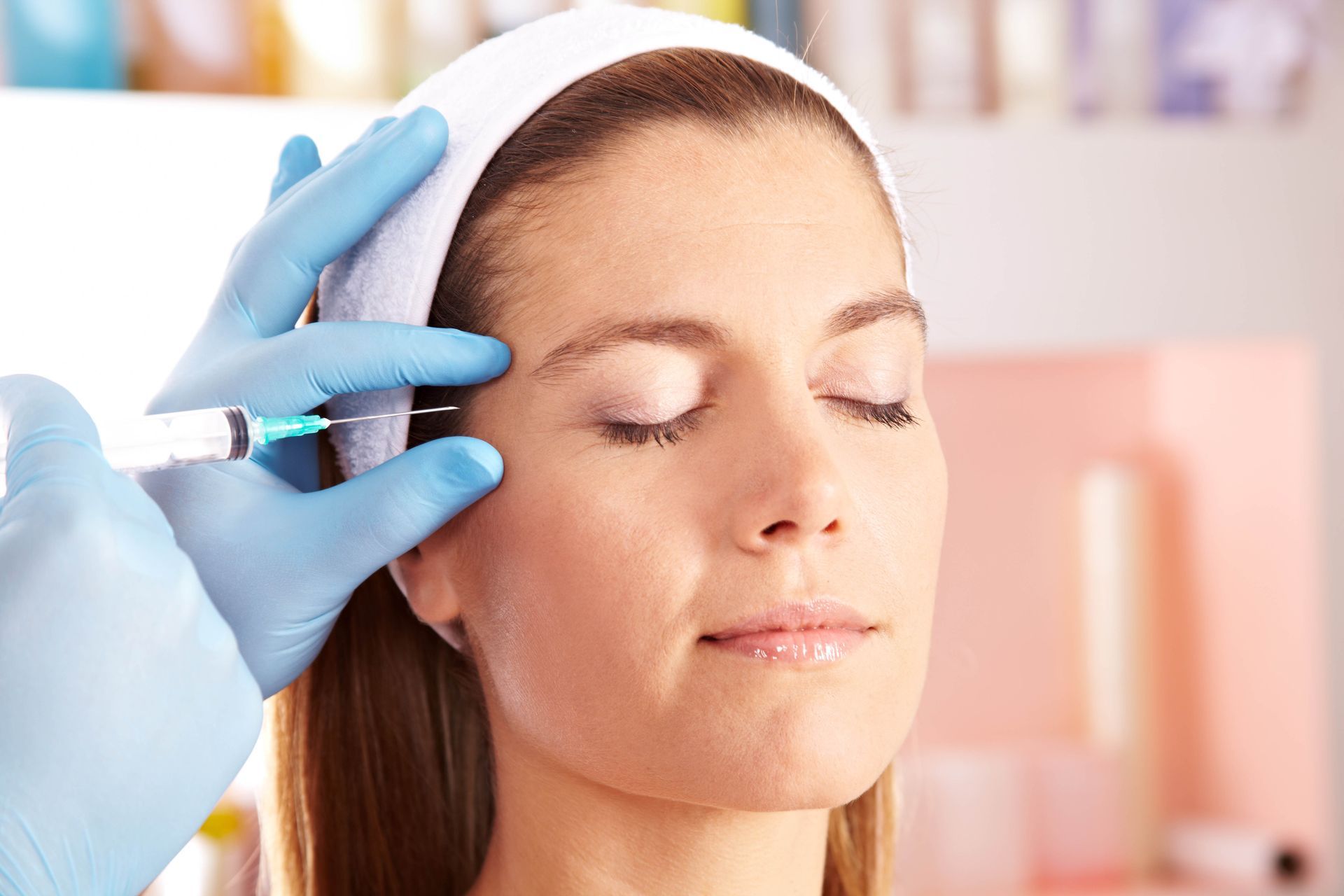
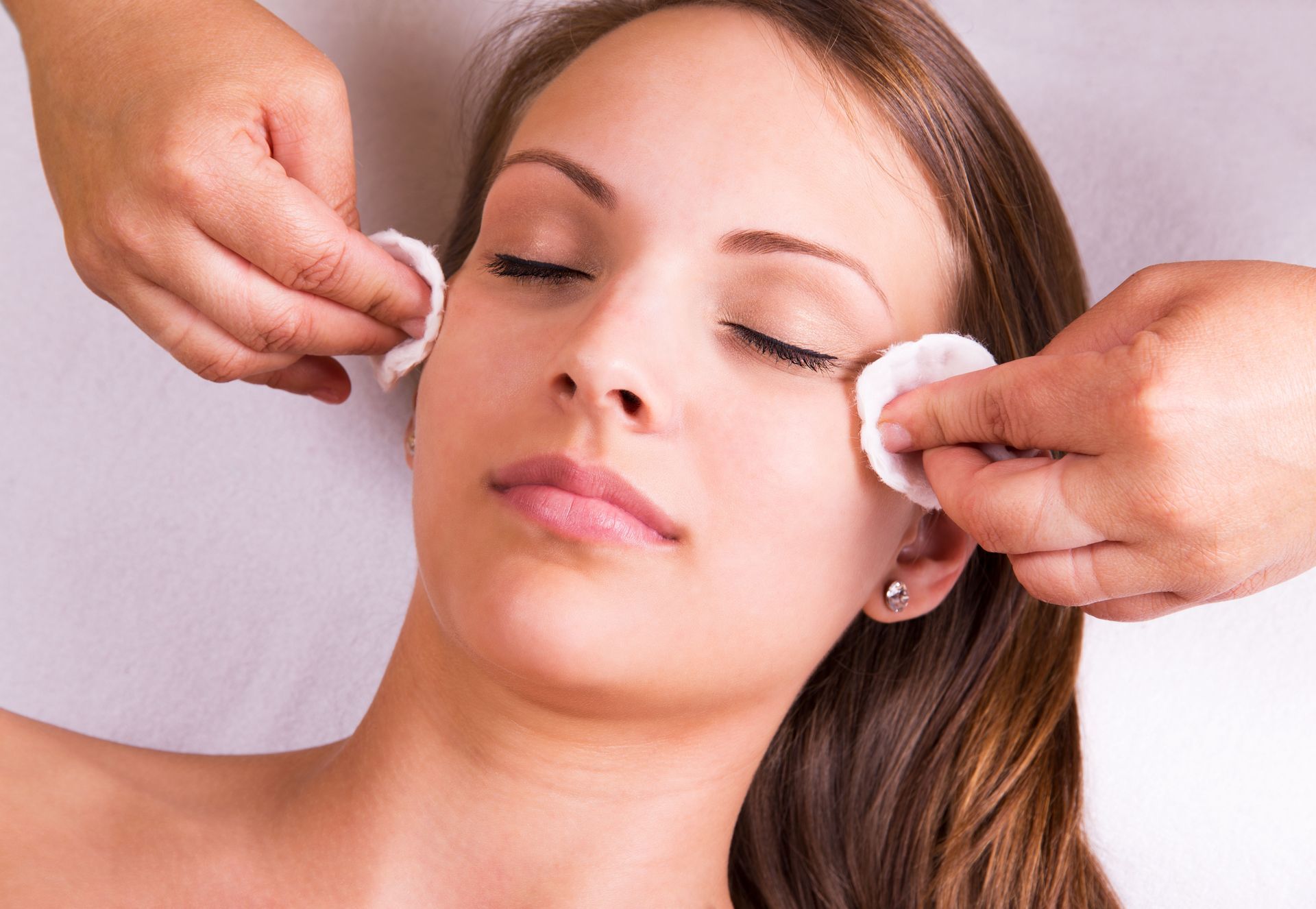
Preventative skincare and anti-aging treatments have become an important part of how many people approach long-term skin health. Rather than waiting for visible damage or advanced signs of aging to appear, individuals are increasingly focused on maintaining skin quality, supporting natural renewal, and slowing changes over time. This shift has brought greater attention to professional skincare environments that combine medical knowledge with aesthetic care.
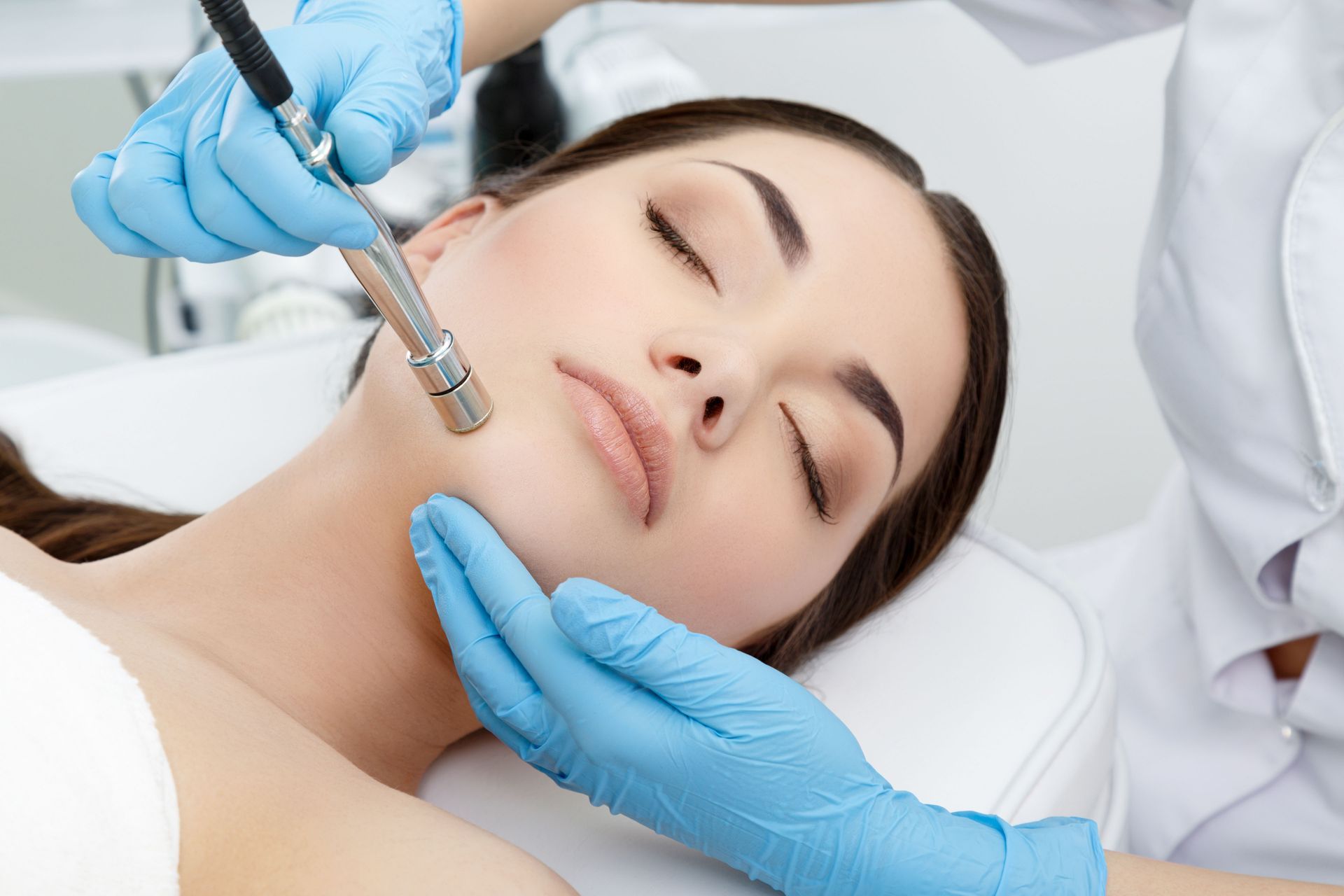
Medical spas operate in a space that bridges traditional skincare services and clinical treatment options. They offer access to advanced technologies, medical-grade products, and trained providers who understand both cosmetic goals and skin health considerations. This combination allows patients to address early concerns while building consistent routines that support healthier skin as they age.
Preventative skincare is not about eliminating aging entirely, but about managing factors that contribute to premature changes. Environmental exposure, lifestyle habits, and natural collagen loss all influence how skin evolves over time. In this article, we’ll explore how medical spas contribute to preventative skincare and anti-aging, the types of services involved, and why this approach has become a key part of long-term skin care planning.
How Preventative Skincare Has Shifted Over Time
Skincare used to focus primarily on correcting visible issues after they appeared. Wrinkles, sun damage, uneven tone, and texture changes were often addressed later in life, once they became difficult to ignore. Today, the emphasis has shifted toward early intervention and maintenance.
Preventative skincare prioritizes protecting the skin barrier, supporting collagen production, and minimizing damage before it accumulates. This approach recognizes that small, consistent efforts can have a meaningful impact over time. Professional guidance helps individuals choose treatments and products that align with their skin type and long-term goals.
This shift has increased interest in environments that offer more than basic cosmetic services. Medical spas are positioned to support preventative strategies through access to both technology and clinical oversight.
How Med Spas Support Early Skin Health
Medical spas play a key role in helping patients address skin concerns before they become more pronounced. By offering evaluations and treatment plans that consider skin condition, lifestyle, and aging patterns, they help patients make informed decisions early.
Preventative services may focus on improving skin texture, maintaining hydration, and supporting natural regeneration. Treatments are often spaced over time and adjusted as skin needs change. This proactive approach allows patients to maintain results rather than pursue aggressive correction later. Because services are overseen by medical professionals, treatment recommendations are based on safety, suitability, and long-term outcomes rather than short-term cosmetic trends.
How Professional Treatments Address Aging Factors
Aging skin is influenced by both intrinsic and extrinsic factors. Natural collagen loss, reduced cell turnover, sun exposure, pollution, and stress all contribute to visible changes. Professional treatments aim to address these factors at different levels.
Many services offered through medical spas focus on stimulating collagen, improving circulation, and encouraging cellular renewal. These processes support firmness, elasticity, and overall skin quality. When introduced early, such treatments can help slow the progression of visible aging. Rather than replacing natural features, the goal is often to preserve balance and support the skin’s ability to function optimally over time.
How Personalized Treatment Planning Improves Outcomes
One of the defining features of care in medical spas is individualized planning. Skin does not age the same way for everyone, and factors such as genetics, sun exposure, and daily habits all play a role. Personalized treatment plans help align services with realistic expectations and specific concerns.
Initial consultations often involve reviewing skin history, current routines, and goals. From there, providers recommend a combination of in-office treatments and at-home care. Plans may evolve as skin responds or as priorities change. This level of customization supports consistency and reduces the likelihood of unnecessary or mismatched treatments.
How Education Supports Preventative Care
Education is a core component of preventative skincare. Understanding how products work, why certain treatments are recommended, and how lifestyle choices affect skin health empowers patients to take an active role in their care.
Medical spas often emphasize patient education alongside services. Providers explain how treatments support long-term goals and how to maintain results between visits. This guidance helps patients develop routines that reinforce professional care. By understanding the reasons behind recommendations, patients are more likely to stay consistent and make informed decisions over time.
How Gender Trends Influence Skincare Services
Patient demographics offer insight into how preventative skincare is being adopted. According to EHL Insights, the majority of patients who visit medical spas are women, accounting for 88% of the total number of patients. This reflects broader trends in skincare awareness and utilization.
While women currently represent most patients, interest in preventative skincare continues to grow across all demographics. As conversations around skin health become more normalized, more individuals are seeking professional guidance earlier in life. Medical spas adapt services and communication to meet the needs of a diverse patient base while maintaining a focus on individualized care.
How Consistency Impacts Long-Term Results
Preventative skincare relies heavily on consistency. Single treatments may offer temporary improvements, but long-term benefits come from ongoing care. Regular visits allow providers to monitor progress, adjust treatments, and address changes as they arise.
Consistency also applies to at-home routines. Professional recommendations often include medical-grade skincare products designed to complement in-office treatments. Together, these elements create a structured approach to skin maintenance. By maintaining a regular schedule, patients can support gradual improvements and more stable outcomes over time.
How Med Spas Fit Into Holistic Wellness
Skincare does not exist in isolation. Factors such as sleep, nutrition, stress, and hydration all influence skin appearance and aging. Many medical spas take a holistic view, recognizing that external treatments work best when supported by healthy habits.
Providers may discuss lifestyle factors that affect skin health and offer guidance alongside aesthetic services. This broader perspective reinforces the idea that preventative skincare is part of overall wellness rather than a standalone solution. By addressing both internal and external influences, care becomes more comprehensive and sustainable.
How Expectations Shape Patient Satisfaction
Clear expectations are essential for successful preventative skincare. Medical spas focus on setting realistic goals and explaining what treatments can and cannot achieve. This transparency helps patients understand the gradual nature of preventative care. It also helps reduce frustration by aligning outcomes with individual skin biology and lifestyle factors. When patients know what to expect, they are better prepared to commit to a consistent care plan.
Anti-aging services are often about subtle improvement and preservation rather than dramatic transformation. When patients understand this approach, satisfaction tends to increase. Progress is measured over time, not overnight. Open communication supports trust and helps patients feel confident in their care decisions.
Preventative skincare and anti-aging strategies have become an important part of how individuals care for their skin over time. Rather than reacting to advanced signs of aging, many people now focus on early intervention, consistency, and professional guidance. Medical spas support this approach by offering personalized care, advanced treatments, and education that align with long-term skin health goals.
By addressing aging factors proactively and supporting informed decision-making, med spas help patients maintain healthier skin while adapting care as needs evolve. For anyone interested in building a preventative skincare routine or exploring anti-aging options, scheduling a consultation with The Aesthetics Studio can be a meaningful first step toward long-term skin confidence and care.