February 2, 2026
Micro needling has rapidly gained popularity as a favored technique in the realm of skin rejuvenation. It is minimally invasive, intended to stimulate the skin's natural healing processes. The treatment offers benefits such as enhancing skin tone, reducing signs of aging, and improving texture, making it a sought-after option for many. The appeal lies not only in the results but also in the efficiency of the procedure. Many people find it a worthy alternative to more invasive methods, given the relatively quick recovery time and significant outcomes. Understanding what a micro needling treatment entails can help set realistic expectations and ensure optimal results.
Micro Needling Techniques and Tools
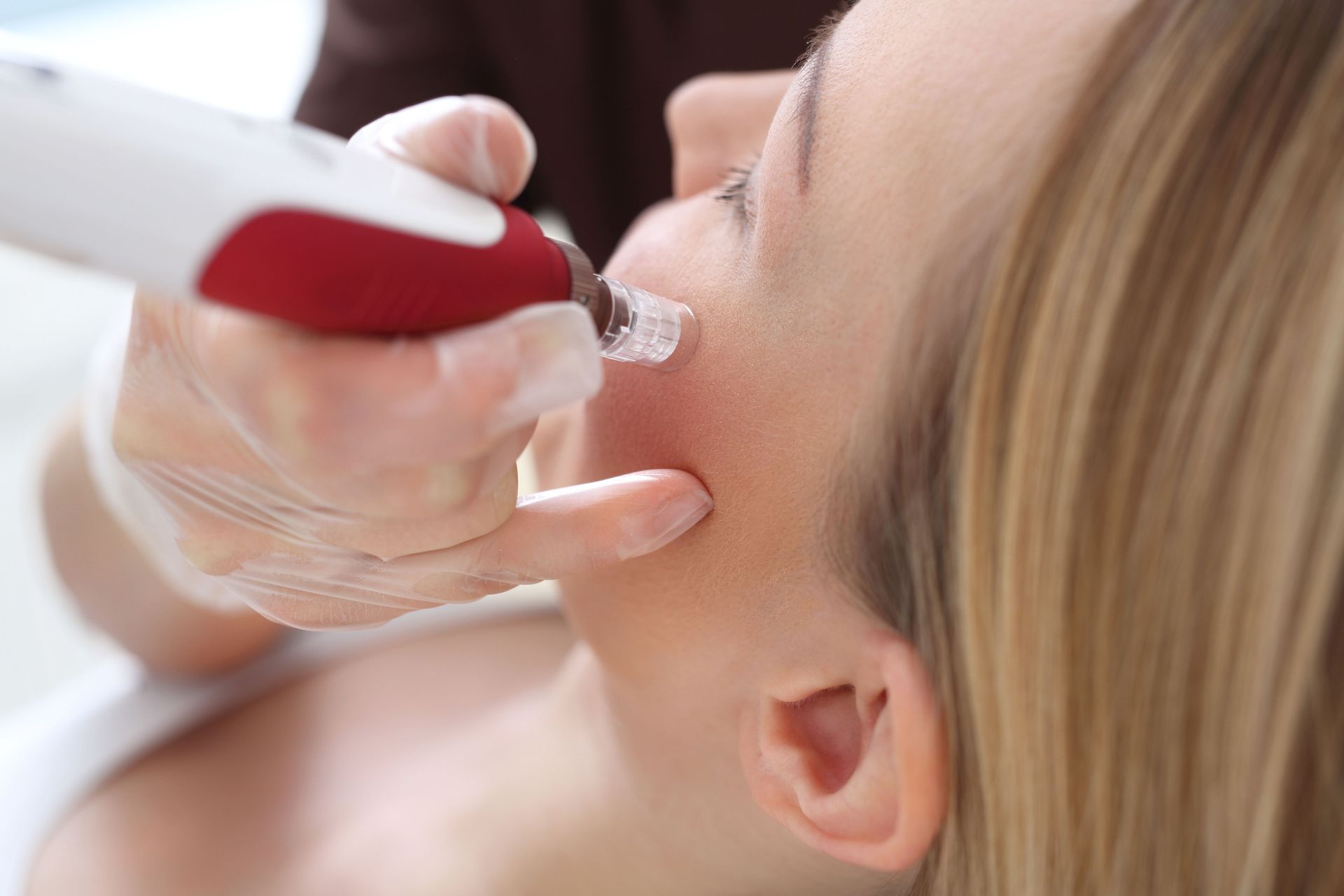
Modern micro needling employs various devices, including derma rollers and automated pens, each designed to cater to specific needs. Derma rollers consist of a rolling drum attached to a handle, embedded with rows of tiny needles. Automated devices, however, penetrate the skin uniformly at a set speed and depth.
Both methods bring about similar benefits, but automated devices offer more precision and customization. Factors like needle length and speed can be adjusted using automated pens, optimizing the procedure based on unique skin types and concerns. The effectiveness of micro needling treatment tools lies in their adaptability.
Professionals determine the most appropriate tool based on individual requirements. Whether targeting superficial concerns or aiming for deeper dermal repair, the choice of device impacts the outcome. Superior results are achieved when techniques align with specific skin goals, highlighting the importance of selecting the right tool.
Initial Consultation with a Dermatologist
The journey to a successful micro needling treatment begins with a thorough consultation with a dermatologist. This initial meeting helps assess the skin's condition and determine its suitability for the treatment. The dermatologist provides insights into what the procedure entails and sets realistic expectations.
During the consultation, the practitioner evaluates medical history, skin type, and current conditions. This comprehensive review ensures that micro needling is appropriate and safe. Open communication about skin concerns enables the customization of treatment plans.
Pre-Treatment Skin Care Routine
Establishing a skin care routine before your treatment is crucial for preparing the skin for a micro needling treatment. This involves maintaining a cleansing and moisturizing routine to keep the skin healthy and receptive. Proper hydration ensures the skin's readiness for the procedure.
Dermatologists often recommend avoiding skincare products with active ingredients like retinol a week before the treatment. These components can increase skin sensitivity and affect the procedure's outcome. Guidelines routines before your treatment are designed to minimize side effects and enhance results.
Discussing Medical History and Concerns
Being transparent about your medical history is vital before undergoing micro needling. Documented allergies, previous skin treatments, and current medications can impact the procedure. Communicating this information helps dermatologists make informed decisions about treatment readiness.
Open conversations address concerns such as potential side effects and individual pain tolerance. Addressing these elements ensures an informed treatment approach. Understanding patient apprehensions facilitates a reassuring and supportive atmosphere.
Setting Realistic Expectations
In any cosmetic procedure, setting realistic expectations about results ensures satisfaction. Micro needling is no exception. Understanding both its capabilities and limitations is vital. While it can significantly improve skin texture, tone, and appearance, it may not eliminate deep-set scars or wrinkles instantly.
The process yields gradual results, requiring patience and consistency. Initial changes might be subtle, with cumulative improvements as sessions progress. Having realistic expectations allows for appreciation of these progressive changes, aligning with long-term skin goals.
Steps Involved in the Treatment
The micro needling treatment process begins with the cleansing and preparation of the skin. The practitioner applies a topical numbing agent to minimize discomfort, ensuring a comfortable experience. Once the numbing cream takes effect, the skin is cleansed again to remove any residues.
The selected micro needling device, whether a derma roller or automated pen, is used to create controlled micro-injuries across the targeted area. Each pass over the skin is calculated to ensure even coverage and consistency. Precision is key to promoting effective collagen production.
After treatment, the practitioner may apply soothing serums or masks to enhance healing. Post-procedure care instructions are provided, guiding the patient through the initial recovery phase. The precise execution of each step maximizes the potential for successful outcomes, yielding healthier and rejuvenated skin over time.
Duration of the Procedure
According to the Cleveland Clinic, a micro needling procedure can take anywhere from 15 minutes to a few hours, depending on the size of the area being treated. Smaller regions, such as the face, typically take less time compared to larger areas like the back or legs. Each session is personalized to address specific concerns.
Factors such as skin type, desired outcome, and device choice also influence the procedure duration. In some cases, additional treatments, such as the application of serums, might extend the session slightly. Efficient time management ensures adequate attention to detail without compromising results.
What the Skin Feels Like During Micro Needling
While the idea of needles may raise concerns, many patients report minimal discomfort during micro needling, thanks to numbing agents. The sensation is often described as a mild tingling or prickling feeling. This manageable sensation varies based on the individual's pain threshold and the treatment area's sensitivity.
The device's methodical movement across the skin may cause slight pressure, though it's usually tolerable. The practitioner maintains open communication, checking on patient comfort levels throughout the session. Adjustments are made as necessary to maximize both efficacy and relaxation.
Immediate Aftercare Instructions
Post-micro needling care is a crucial phase that influences the outcome and recovery speed of the treatment. Patients are usually advised to avoid direct sunlight and refrain from using makeup or harsh skincare products for a specific period. The skin needs time to heal and breathe without irritation.
Gentle cleansing, hydrating serums, and moisturizing are recommended to support the skin's recovery and maintain its health. These steps ensure a soothing transition during the initial healing phase. Abiding by post-care guidelines promotes desirable results.
Typical Recovery Timeline
Recovery from a micro needling treatment session is typically swift, allowing patients to resume daily activities shortly after the procedure. Initial side effects, such as mild redness or sensitivity, are normal and gradually subside over the following days. Despite this, the skin may feel tender or tight.
Within a week, most patients notice a marked improvement in their skin's texture. The healing process continues as collagen production increases over time. An understanding of the recovery timeline minimizes concerns regarding normal post-treatment changes.
Managing Side Effects
Common side effects of micro needling include mild redness, swelling, and skin sensitivity, which typically resolve within days. Such reactions are a natural part of the healing process and indicate the body's response to skin repair. Staying informed about these potential outcomes calms post-procedure concerns.
Individuals may also experience slight peeling as the skin recovers. Gentle exfoliation, as recommended by a dermatologist, aids in removing any dead skin cells. Keeping the skin moisturized and protected alleviates these temporary effects and supports healing.
Post-Treatment Skin Care Regimen
Following a tailored post-treatment skin care regimen is crucial for maximizing micro needling outcomes. Gentle cleansing, replenishing hydration, and protective moisturizing form the foundation of this routine. Avoiding harsh ingredients and sun exposure secures a stable healing environment for the skin.
Incorporating serums enriched with collagen-boosting peptides further enhances results. By prioritizing skin nourishment, individuals optimize the benefits of increased collagen production. This dedication to comprehensive care amplifies the positives of micro needling.
Micro needling stands out as a versatile and effective approach to skin rejuvenation, offering noticeable improvements with minimal downtime. From the initial consultation and careful preparation to the treatment itself and the post-procedure care, each stage plays a meaningful role in achieving optimal results. When performed by a qualified professional at The Aesthetic Studio and paired with a thoughtful skincare routine, a
micro needling treatment can support healthier, smoother, and more radiant skin over time. Get started today by reaching out to us for a free consultation!