May 15, 2026
Many people visit medical spas to improve their appearance without surgery or long recovery times. Two of the most common cosmetic treatments are Botox and dermal fillers. Both are used to reduce signs of aging, but they work in very different ways. Understanding those differences can help people choose the treatment that fits their goals and comfort level. According to Solomon Partners, Botox and dermal fillers are the most popular treatments, accounting for nearly 53% of services offered in medical spas. Even though these treatments are often grouped together, they target different concerns. Botox focuses on muscle movement that creates wrinkles. Dermal fillers add volume beneath the skin. Each treatment can help create a refreshed appearance when performed by trained professionals in medical spas.
Understanding Facial Aging
Facial aging happens gradually over time. Skin loses elasticity, collagen production slows, and facial volume decreases. Repeated facial expressions can also create lines and wrinkles. Sun exposure, stress, lifestyle habits, and genetics all play a role in how the skin changes with age. Some wrinkles appear because muscles contract repeatedly during expressions like smiling or frowning. Other changes happen because the face loses fullness in areas like the cheeks and lips.
This is why different cosmetic treatments are often recommended for different concerns. Medical spas commonly evaluate the face as a whole before recommending treatment options. A professional consultation can help determine whether muscle movement, volume loss, or a combination of both is contributing to visible aging.
Comparing Treatment Purposes
Botox is designed to relax targeted facial muscles. When those muscles relax, expression lines become softer. Botox is often used for forehead lines, crow's feet, and frown lines between the eyebrows. Dermal fillers work differently. They add fullness beneath the skin to restore lost volume or enhance facial contours. Fillers are commonly used in the cheeks, lips, jawline, and around the mouth.
People often confuse these treatments because both can reduce signs of aging. The main difference is that Botox limits muscle activity while fillers restore structure and volume. Many medical spas offer both treatments because they can complement each other. Some people receive Botox in one area of the face and fillers in another to create balanced results.
Treating Dynamic Wrinkles
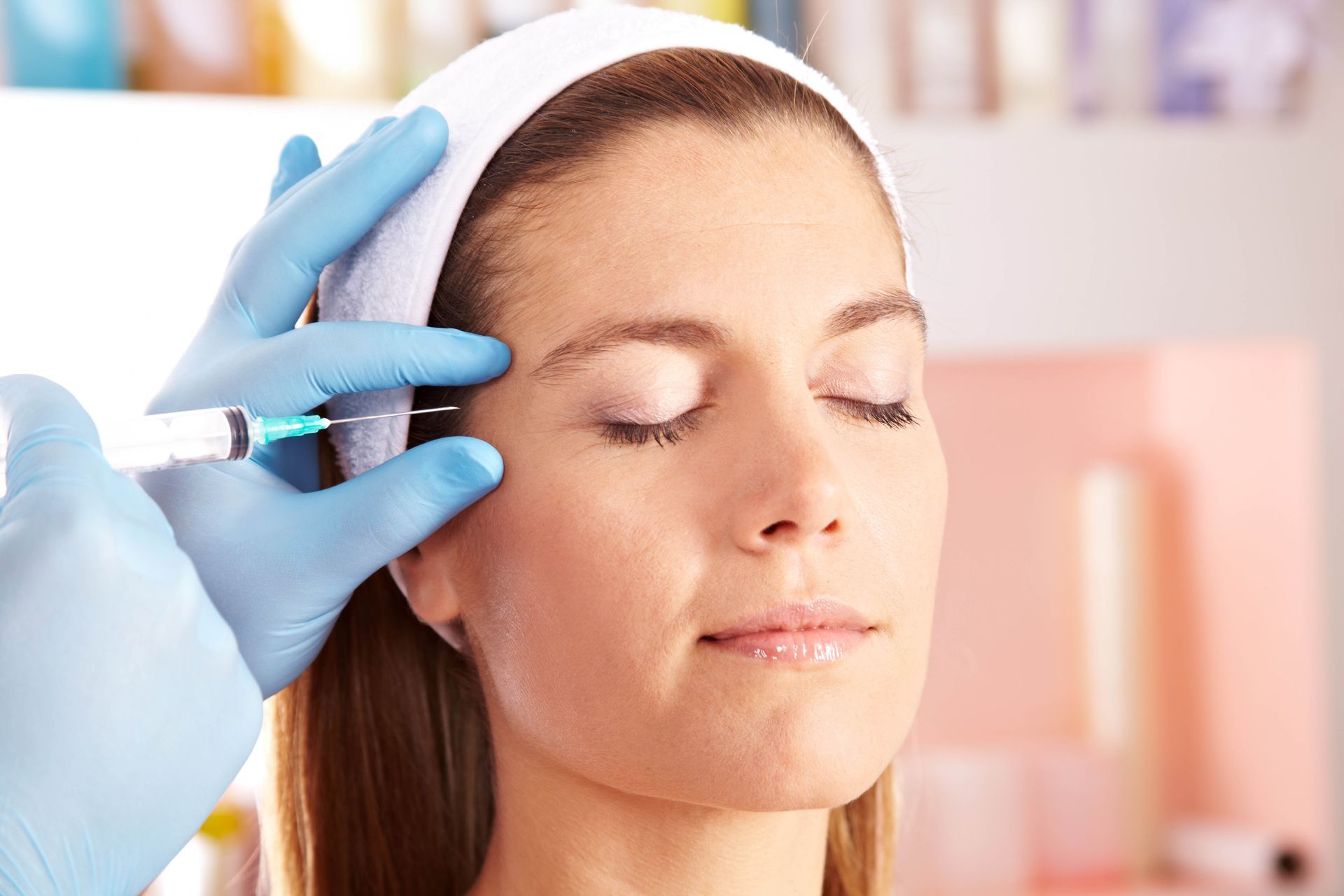
Dynamic wrinkles are caused by repeated facial movement. These wrinkles may appear when smiling, squinting, or raising the eyebrows. Over time, those expression lines can remain visible even when the face is relaxed. Botox is commonly chosen for dynamic wrinkles because it reduces the muscle activity responsible for creating those lines. The treatment is performed with small injections placed into specific facial muscles.
Most appointments are relatively quick, making Botox popular among people with busy schedules. Mild redness or swelling may appear afterward, but recovery is usually minimal. Results from Botox are temporary. Many people notice changes within several days, with results lasting for a few months before maintenance treatments are needed. Medical spas often recommend follow-up appointments based on individual goals and facial movement patterns.
Restoring Lost Volume
Volume loss affects many parts of the face during the aging process. Cheeks may appear flatter, lips can become thinner, and deeper folds may form around the nose and mouth. Dermal fillers are used to restore fullness beneath the skin. The treatment adds support to areas that have lost volume over time. Some people also choose fillers to enhance facial features rather than correct aging concerns.
Fillers are commonly placed in areas where the face naturally loses structure. Results are often visible soon after treatment. Mild swelling or bruising may occur temporarily. Different filler formulas are used for different areas of the face. A softer filler may be selected for the lips, while a firmer option may be used for contouring the jawline or cheeks. Medical spas typically tailor filler treatments based on facial anatomy and cosmetic goals.
Discussing Treatment Longevity
Botox and dermal fillers differ in how long results typically last. Botox treatments usually last several months before muscle movement gradually returns. Maintenance appointments are commonly scheduled throughout the year. Dermal fillers may last longer depending on the treatment area and the type of filler used. Some fillers remain noticeable for many months or longer before touch-ups are needed.
The body naturally breaks down injectable materials over time. Factors like metabolism, lifestyle, and treatment area can affect how long results remain visible. People considering cosmetic injectables often discuss maintenance expectations during consultations at medical spas. Understanding treatment timelines can help with planning future appointments and budgeting for long-term care.
Considering Treatment Experience
Both Botox and dermal fillers are minimally invasive treatments performed with injections. Most appointments are completed in a relatively short amount of time. Many people describe the discomfort as mild. Some treatment areas may feel more sensitive than others. Ice packs or numbing products may be used to improve comfort during the appointment.
Recovery is usually manageable for most patients. Minor swelling, redness, or bruising may occur temporarily. Medical spas often provide aftercare instructions that help support healing and reduce irritation after treatment. People are generally able to return to normal daily activities shortly after treatment. Some providers may recommend avoiding strenuous exercise or excessive heat for a short period following injections.
Choosing Professional Guidance
Choosing between Botox and dermal fillers depends on the concerns being addressed. Someone with forehead lines caused by facial movement may benefit more from Botox. A person with hollow cheeks or thinning lips may be better suited for fillers. Some individuals choose a combination approach because aging often affects multiple layers of the face. Professional evaluations can help identify the most appropriate treatment plan based on facial structure, skin condition, and cosmetic preferences.
Medical spas typically begin with a consultation that reviews goals, treatment history, and facial anatomy. Open communication during that process can help create realistic expectations and more natural-looking results. Seeking help from a trained professional is important when considering injectable treatments. Proper placement, dosage, and technique all play a role in the final appearance.
Maintaining Natural Looking Results
Many people want cosmetic treatments that refresh their appearance without making dramatic changes. Natural-looking results often come from conservative treatment planning and gradual improvements over time. Botox can soften expression lines while still allowing normal facial movement when applied carefully. Dermal fillers can restore volume without creating an overly full appearance when used in moderation.
Communication is important during cosmetic consultations. Discussing goals, lifestyle, and comfort level can help guide treatment decisions. Medical spas often focus on creating balanced results that complement natural facial features. Maintaining healthy skin habits can also support cosmetic treatments. Sun protection, hydration, skincare routines, and regular appointments may help extend the appearance of results.
Botox and dermal fillers may both reduce visible signs of aging, but they serve different purposes. Botox relaxes muscles that create expression lines, while fillers restore lost volume beneath the skin. Understanding these differences can make cosmetic decisions feel less overwhelming. Treatment recommendations often depend on facial anatomy, skin condition, and personal goals. Many people choose medical spas because they offer non-surgical options with relatively short recovery times. If you are exploring cosmetic treatments and want guidance from a professional team, contact The Aesthetics Studio to learn more about personalized care available through professional medical spas.